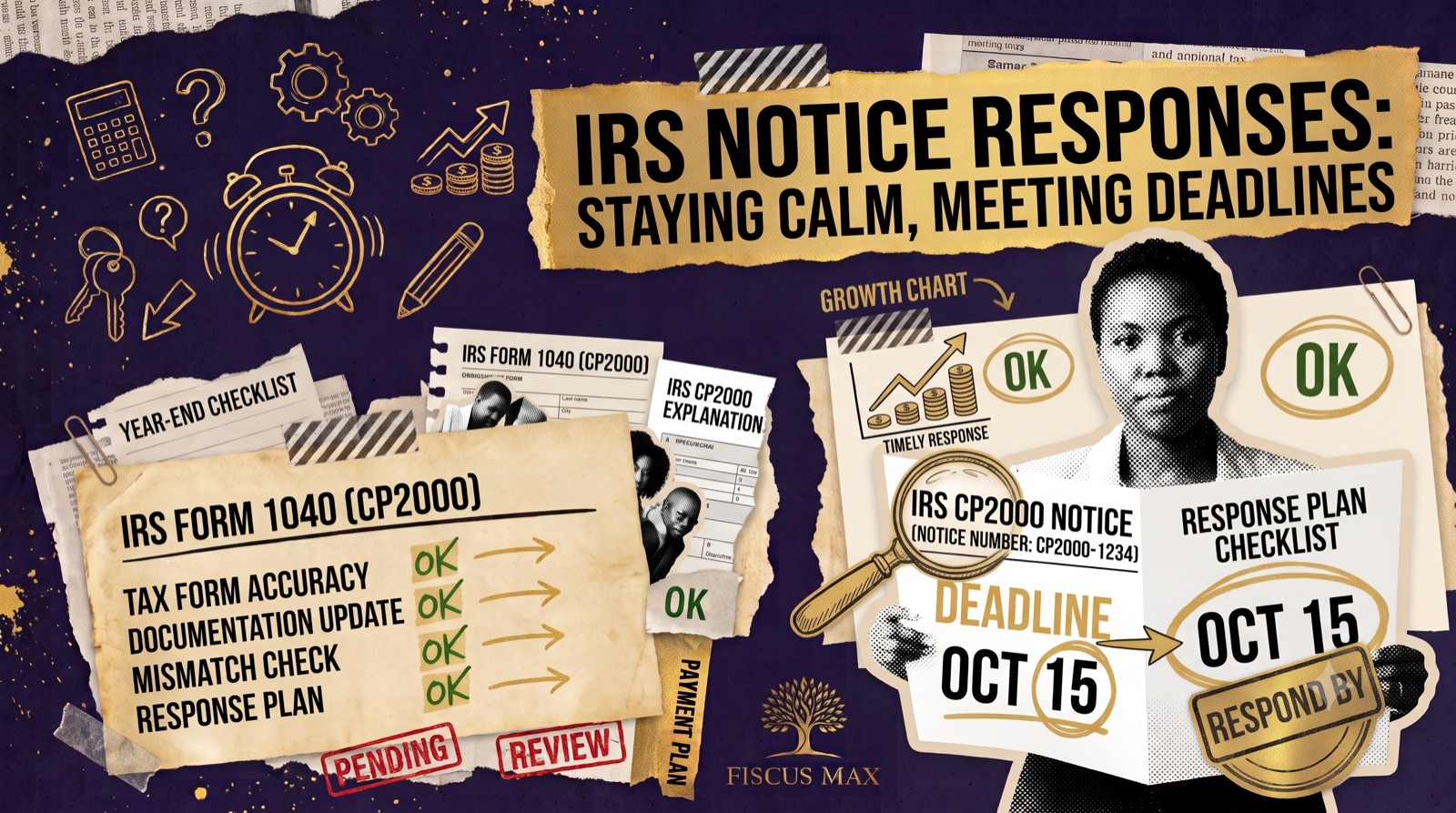
An envelope from the IRS has a way of triggering panic before it’s even opened, and that panic often leads to the two worst possible responses: ignoring it, or reacting immediately without actually reading what it says. Most notices are far more routine than the dread they inspire, and understanding how to read one calmly is the difference between a quick fix and a spiraling problem.
Find the Notice Number First
Every IRS notice has a number, usually in the upper corner, that identifies exactly what kind of notice it is — a math error correction, a request for missing information, a proposed change to your return, or something more serious. Looking up that specific notice number, rather than reacting to the tone of the letter, tells you immediately what category of issue you’re dealing with and what a proportional response looks like. Many notices are simply informational or reflect a minor automatic adjustment that requires no response at all.
Check the Response Deadline Immediately
Nearly every notice that requires action includes a specific deadline, and that date matters far more than anything else on the page. Missing a response window can convert a minor, correctable issue into a more serious one, since silence is generally read as agreement or as grounds to proceed with whatever action the notice proposed. Mark the date the moment you open the envelope, before you even finish reading the details.
Verify the Numbers Before Assuming They’re Right
IRS notices are generated by automated systems comparing your return against third-party reporting, and those systems aren’t infallible. Before paying whatever amount is listed or accepting a proposed change, compare it against your own records — a transposed digit, a missed form, or a duplicate report from an employer or bank can all produce a notice that’s simply incorrect. Disagreeing with a notice, when you have the documentation to back it up, is a normal and often successful part of the process.
When to Get Help Instead of Handling It Alone
Straightforward notices — a small math correction, a request for a missing signature — are usually fine to handle directly. Notices proposing a significant change, alleging unreported income, or referencing an audit are worth bringing to a professional before responding, since an initial reply sets the tone for everything that follows.
Is your filing process built to survive a life change or an audit? A calm, informed response beats panic every time.
General education only — not individualized tax, legal, or financial advice.
← Back to Tax Resources