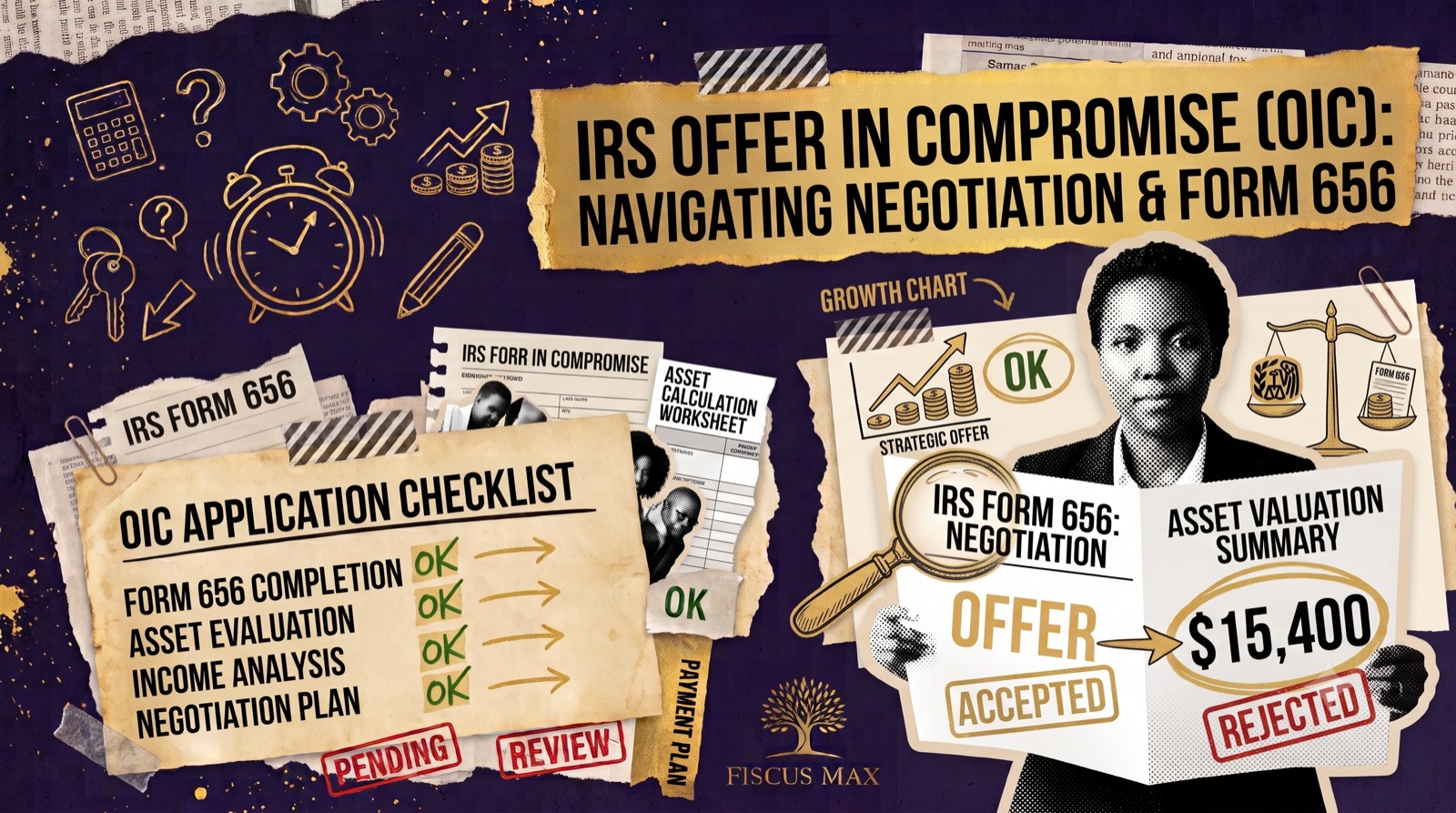
An offer in compromise lets certain taxpayers settle IRS debt for less than the full amount owed, and it’s also one of the most misunderstood and over-promised tax relief options out there. Advertisements promising to settle debt for pennies on the dollar have created unrealistic expectations, when in reality the program has specific, fairly strict qualification standards that most applicants don’t meet.
The IRS Is Evaluating What It Could Actually Collect
An offer in compromise isn’t approved based on hardship alone — it’s approved based on a calculation of your reasonable collection potential, essentially what the IRS believes it could realistically collect from your income and assets over the remaining time it has to collect the debt. If that calculated amount is close to or exceeds the full balance owed, an offer is unlikely to be accepted no matter how difficult the situation feels day to day. This is the single biggest source of mismatched expectations: financial stress and a low offer being accepted are not the same thing, and the IRS’s math doesn’t account for stress, only for calculated ability to pay.
Assets Count, Even Ones You’re Not Liquidating
Home equity, retirement accounts, and other assets are factored into the collection potential calculation even if you have no intention of selling or withdrawing from them. This surprises a lot of applicants who feel asset-rich but cash-poor and assume that translates into hardship — from the IRS’s perspective, an asset that could be borrowed against or liquidated still counts toward what could theoretically be collected, regardless of your personal plans for it.
You Need to Be Current on Filing and Estimated Payments
An offer in compromise generally requires that all required tax returns have been filed and that current-year estimated payments or withholding are on track. An otherwise strong application can be rejected outright simply because a return is missing or current obligations aren’t being met, which is a detail that catches people focused entirely on the old debt while overlooking what’s due this year.
When It’s Worth Applying Anyway
For taxpayers with genuinely limited income, minimal assets, and a debt that clearly exceeds what could realistically be collected, an offer in compromise can be a legitimate and valuable path. The key is an honest, accurate calculation before applying, rather than assuming eligibility based on how large or stressful the balance feels.
Are you dealing with debt reactively, or with an actual plan? Knowing the real standard before you apply saves time, money, and false hope.
General education only — not individualized tax, legal, or financial advice.
← Back to Tax Resources