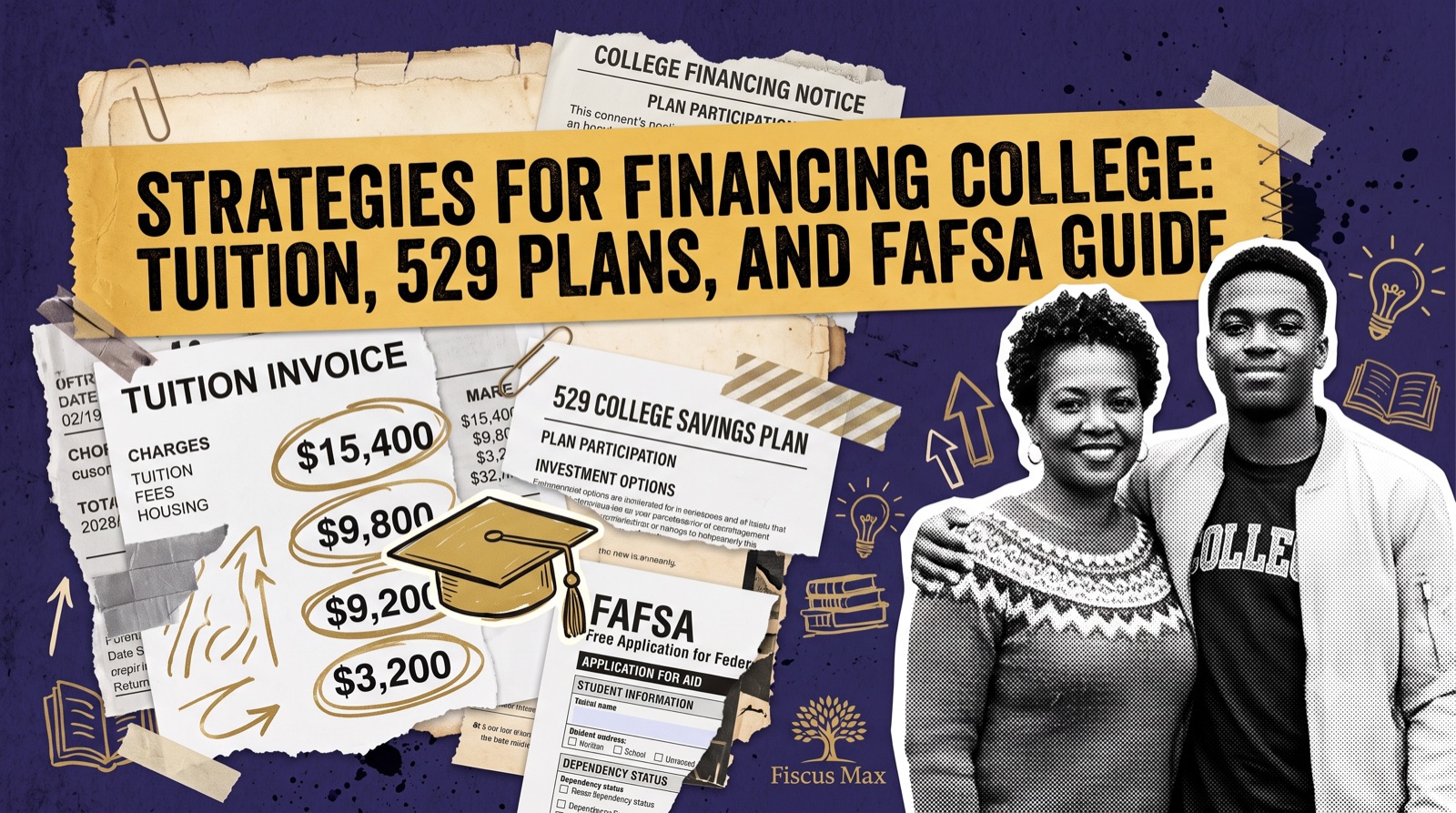
College costs enough that most families feel the impact well before tuition bills even arrive. What a lot of parents don’t realize is how much of that cost the tax code is actually built to help offset — through credits, deductions, and tax-advantaged savings accounts that many households either don’t know about or don’t use to their full extent.
The Two Major Education Credits
There are generally two primary education credits available: one aimed at the first several years of postsecondary education, and another more flexible one that can apply to a broader range of courses, including graduate study or part-time enrollment. They differ in how much they’re worth, how many years they can be claimed, and what expenses qualify, and a family can typically only claim one per student per year. Choosing the wrong one, or not comparing them at all, can mean leaving real money on the table simply because the more familiar credit was claimed by default instead of the one that actually fit the situation better.
529 Plans Do More Than Just Save
529 plans let earnings grow tax-free when used for qualified education expenses, and many states offer their own additional tax benefit for contributions. Funds can typically cover tuition, and depending on the specific plan and rules, sometimes room and board, books, and certain other costs. Families who start contributing early capture years of tax-free growth on top of the eventual withdrawal benefit, but even families who start later still get meaningful value from the tax treatment on however many years of growth remain before funds are needed.
Don’t Forget Interest on Student Loans
For families still paying down loans from earlier degrees, or helping a young adult with theirs, a portion of student loan interest may be deductible even if the family doesn’t itemize. It’s a modest benefit compared to the credits, but it’s also one of the most commonly overlooked, since people don’t always think to check for it once they’re past the tuition-paying years and assume all the college-related tax benefits are behind them.
Coordinate, Don’t Just Collect
The biggest mistake families make with college tax benefits isn’t missing any single one — it’s failing to coordinate them. Using 529 funds for the same expenses claimed toward a credit can disqualify part of that credit, so the benefits need to be sequenced correctly, not just accumulated independently of one another.
Does your household have a tax plan, or just a filing habit? College costs are significant enough that getting this coordination right is worth real money.
General education only — not individualized tax, legal, or financial advice.
← Back to Tax Resources