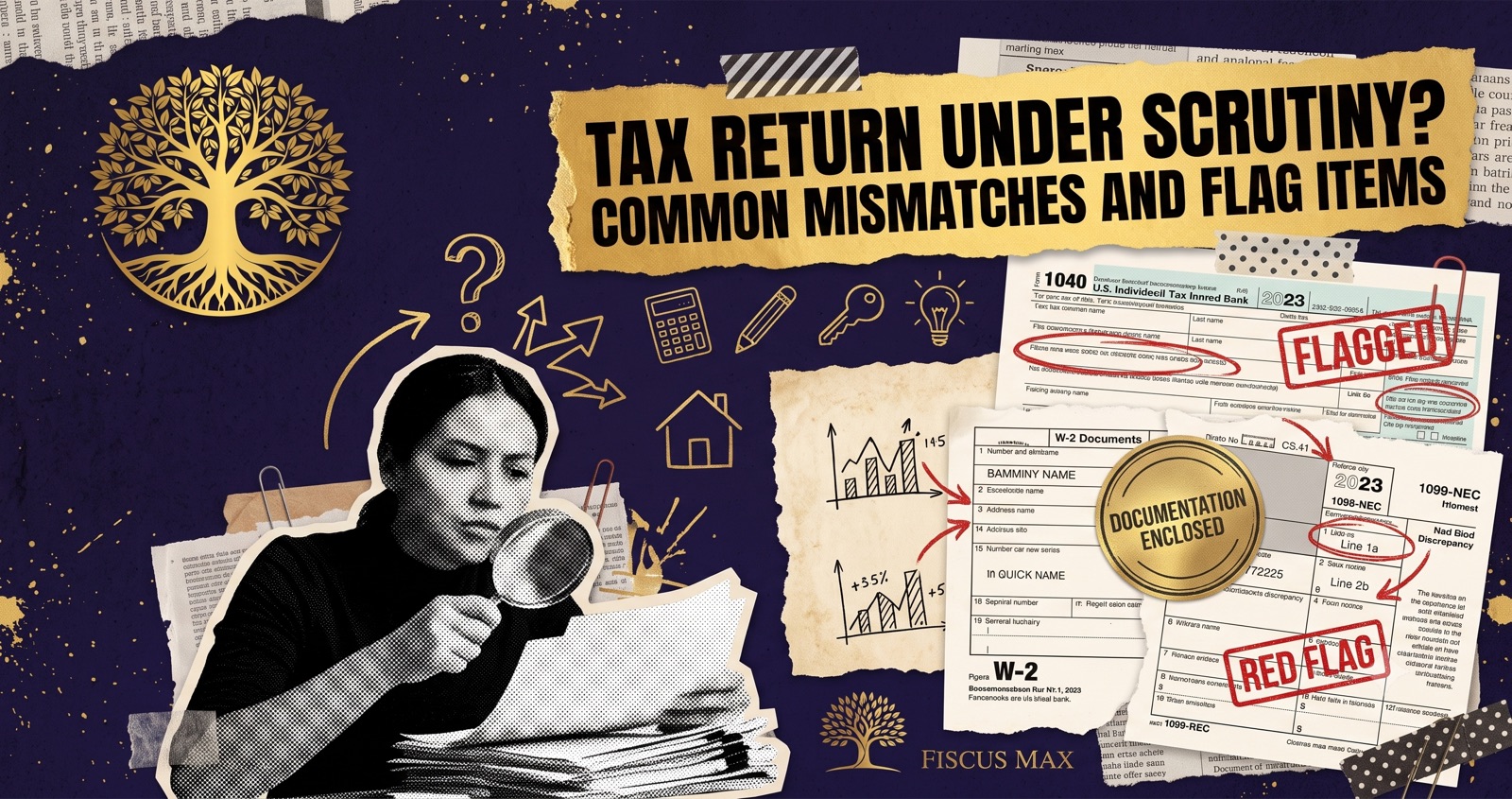
Audits are rare, but the fear of one shapes how a lot of people file — sometimes causing them to under-claim legitimate deductions just to stay under the radar. Understanding what actually triggers scrutiny replaces vague anxiety with something far more useful: a clear sense of what to get right, and permission to claim everything you’re actually entitled to.
Mismatches Are the Most Common Trigger
The IRS receives copies of most of the same forms you do — W-2s, 1099s, K-1s — and its systems automatically compare what was reported to what you claim on your return. A mismatch, even an innocent one caused by a missed form or a typo, is one of the most reliable ways to generate an automated notice. This isn’t usually a full audit in the dramatic sense; it’s often a computer-generated letter asking you to explain or correct a discrepancy. Still, it’s entirely avoidable simply by cross-checking every income form against what actually gets reported on the return before filing.
Disproportionate Deductions Draw Attention
Deductions that look unusually large relative to reported income — a home office deduction that seems oversized for the space, business expenses that consume most of the revenue, charitable giving well above what similar income levels typically report — can draw a closer look. This doesn’t mean legitimate large deductions should be avoided; it means they should be well-documented, because the IRS’s systems are comparing your return to statistical norms, not reading your personal explanation before flagging it.
Cash-Heavy and Self-Employment Income
Businesses that deal heavily in cash, and self-employed individuals generally, face somewhat higher scrutiny than W-2 employees, simply because there’s more room for underreporting and less third-party verification of the numbers. That’s not a reason to avoid self-employment or cash transactions — it’s a reason to keep especially clean records, since the burden of proof in a review falls on demonstrating that reported numbers are accurate.
The Best Defense Is Documentation, Not Caution
None of this means playing it safe by underclaiming what you’re owed. The actual defense against an audit is accurate, well-documented reporting — not avoiding legitimate deductions out of fear. A well-documented, larger deduction survives scrutiny far better than a timid, underclaimed one that still gets flagged anyway.
Could one overlooked document delay your refund or trigger a notice? Most audit triggers are avoidable with basic diligence, not by claiming less than you’re entitled to.
General education only — not individualized tax, legal, or financial advice.
← Back to Tax Resources